
Vietnamese Athletics Faces a Generational Transition Challenge at the 2026 Asian Games
Trọng tâm của điền kinh Việt Nam tại Asian Games 2026 là quản lý giai đoạn sau đỉnh cao của Quách Thị Lan và Nguyễn Thị Oanh, đồng thời xây dựng lực lượng trẻ thay thế thế hệ Jakarta 2018. Dữ kiện chính: - Quách Thị Lan được trao vàng 400 m rào sau khi Kemi Adekoya bị tước thành tích vì vi phạm chống doping. - Nguyễn Thị Oanh giành đồng 3.000 m vượt chướng ngại vật tại Asian Games 2018. - Nguyễn Thị Oanh được bản phân tích đặt ở tuổi 31 trong bối cảnh năm 2026. - Nguyễn Thị Ánh Viên đã giải nghệ trước các chu kỳ thi đấu gần đây. Nguồn: Bản phân tích do người dùng cung cấp; ngày xuất bản không được cung cấp. Hỏi: Vì sao huy chương vàng của Quách Thị Lan được trao lại? Đáp: Kết quả được phân bổ lại sau khi Kemi Adekoya bị tước thành tích vì vi phạm quy định chống doping. Hỏi: Mục tiêu thực tế của Việt Nam tại Asian Games 2026 là gì? Đáp: Việt Nam cần kết hợp mục tiêu tranh huy chương với lọt vào chung kết, cải thiện thành tích và tạo cơ hội cho vận động viên trẻ. Hỏi: Nguyễn Thị Oanh còn cơ hội giành huy chương không? Đáp: Cơ hội cần được đánh giá bằng thành tích mùa giải, thể trạng và kết quả đối đầu gần thời điểm thi đấu, thay vì chỉ dựa vào tuổi hoặc thành tích quá khứ.
Vietnamese athletics is entering the preparation cycle for the 2026 Asian Games with a clear reality: the generation that made an impact at Jakarta 2026 is moving beyond its competitive peak, while the next generation has not yet produced results strong enough to preserve Vietnam’s continental position.
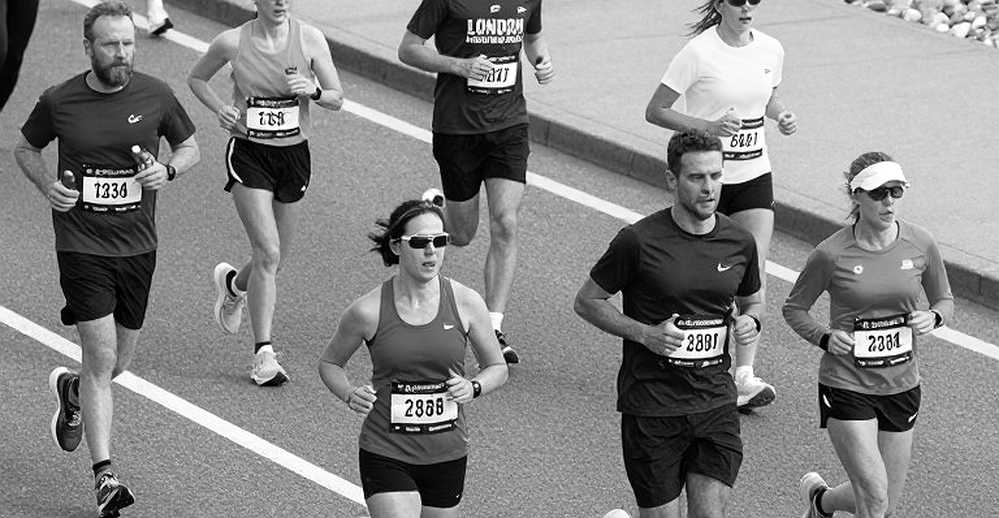
Quach Thi Lan, Nguyen Thi Oanh and several athletes from the successful post-2026 period may still play important roles in the national team. However, medal expectations for the 2026 Asian Games must be based on current evidence rather than past achievements alone.
The Jakarta 2026 legacy
The 2026 Asian Games in Jakarta remain one of the most memorable editions for Vietnamese athletics. Results achieved by Quach Thi Lan, Nguyen Thi Oanh and Bui Thi Thu Thao helped make athletics one of Vietnam’s most successful sports at the continental event.
Quach Thi Lan originally won the silver medal in the women’s 400 metres hurdles. The result was later revised after Kemi Adekoya of Bahrain was disqualified for an anti-doping violation. Quach Thi Lan was promoted to the gold-medal position through the official reallocation process.
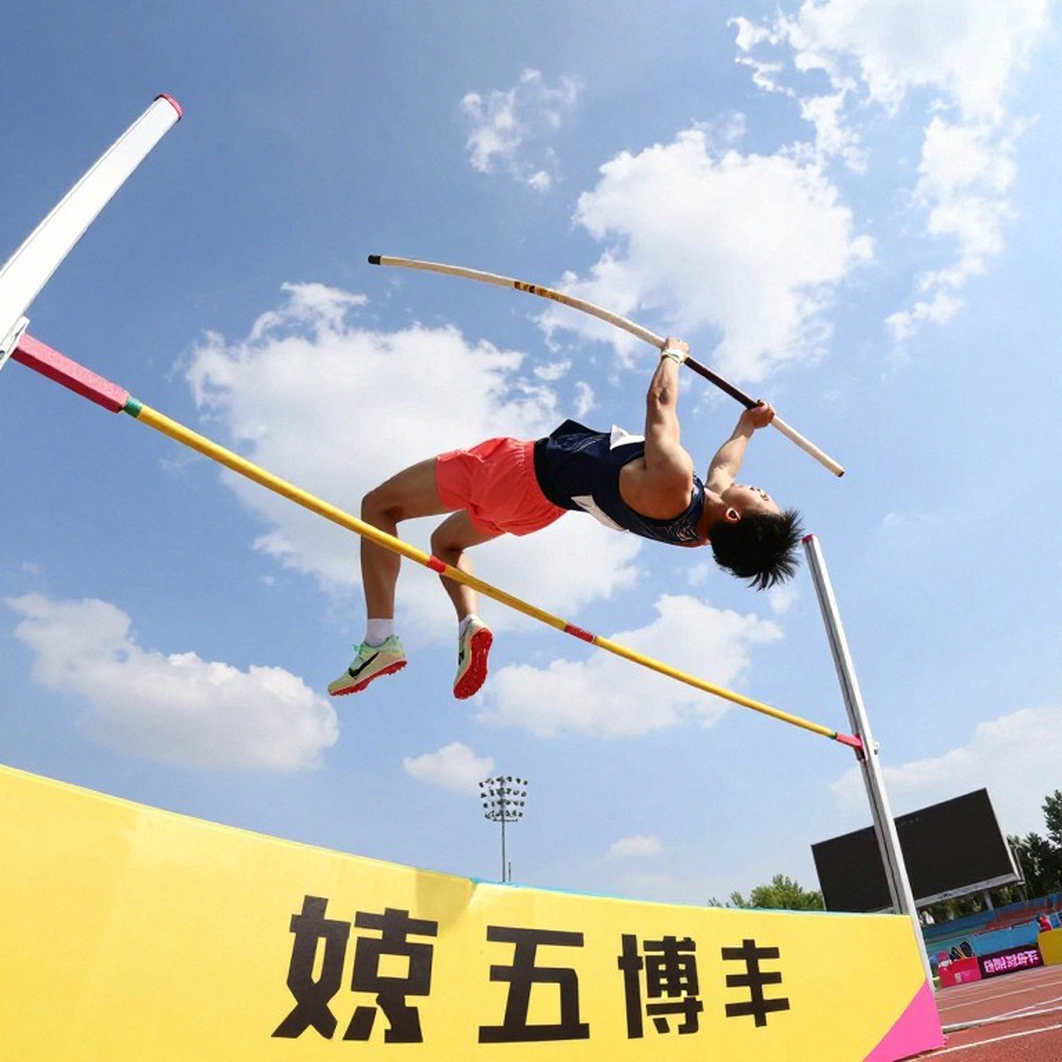
The reallocated gold medal is an important part of Quach Thi Lan’s record, but the context should be explained accurately. The medal is valid after the disciplinary decision, yet it does not mean that Quach Thi Lan created a dominant gap over the entire field during the original race. Her performance remains significant, but the circumstances surrounding the medal must be included.
Nguyen Thi Oanh won bronze in the women’s 3,000 metres steeplechase. The result demonstrated Vietnam’s ability to compete in middle-distance and endurance events at the continental level. Bui Thi Thu Thao was another important figure from the same period, particularly in the women’s long jump.
Those results created major expectations for subsequent competitions. However, the success of one generation does not automatically guarantee success for the next. The distance between the two cycles has become the main issue Vietnamese athletics must address.
Quach Thi Lan and the value of a reallocated gold medal
Quach Thi Lan was one of Vietnam’s leading athletes in the 400 metres hurdles. The event requires a combination of speed, endurance, hurdling technique, stride control and the ability to distribute effort throughout the race.
After the age of 30, meeting those demands becomes more difficult. Maximum speed may decline, stride frequency may fall and recovery between training sessions may take longer. In the 400 metres hurdles, even a small change in the distance between hurdles can affect the entire race strategy.
Quach Thi Lan can still offer technical value and experience to the national team. Experience at major events helps an athlete manage pressure, select an appropriate rhythm and support younger teammates during training. Nevertheless, her role at the 2026 Asian Games should be evaluated through current-season results, physical condition and recent competition records rather than the Jakarta medal alone.
The analysis provided does not include complete 2026 performance data. It is therefore impossible to make a precise prediction about Quach Thi Lan’s final ranking at the 2026 Asian Games. Her medal prospects will depend on her ability to maintain speed, the quality of her preparation and the progress made by younger regional rivals.
Nguyen Thi Oanh and the challenge of the steeplechase
Nguyen Thi Oanh is one of the most successful athletes in Vietnamese sport over the past several years. She is known for competing in several events, maintaining strong endurance and displaying a high level of competitive resilience.
In the 3,000 metres steeplechase, age can have a significant effect. The event demands aerobic capacity, recovery ability, muscular strength and water-jump technique. At the age of 31 in the context of the 2026 Asian Games, Nguyen Thi Oanh will need a carefully designed preparation plan to reduce overload risk and maintain form during the main competition period.
The view that Nguyen Thi Oanh has little chance of winning a medal should be understood as an assessment of the competitive trend rather than an absolute conclusion. An experienced athlete can still perform well with good fitness, tactical discipline and a stable preparation cycle.
Caution is nevertheless necessary. If her recent personal performances show no clear improvement, a realistic target may shift from medal contention to reaching the final, improving her ranking or helping the development of younger athletes.
Nguyen Thi Oanh may also provide important psychological leadership. Her experience across multiple events gives her insight into major-event preparation, energy distribution and pressure management. During a transition period, an athlete’s value is not limited to medals; experience passed to younger teammates is also important.
The gap after a successful generation
The central problem for Vietnamese athletics is not limited to the form of Quach Thi Lan or Nguyen Thi Oanh. The broader concern is the lack of a large group of young athletes capable of replacing the leading competitors in events that previously produced high-level results.
A sustainable system needs a continuous supply of athletes from youth to senior level. Young athletes need regular competition, scientific training plans, sports-medicine monitoring and international exposure. If a national team depends on only a few established athletes, it becomes vulnerable when those athletes move beyond their peak.
The supplied analysis argues that no new athlete has yet reached the same level of recognition as Quach Thi Lan, Nguyen Thi Oanh or other leading competitors from the Jakarta cycle. This is a warning sign, although official data on individual performances, Asian rankings and the number of supported young athletes are still needed.

Competition in sprinting, hurdling and long jump is becoming stronger across the region. Thailand has highly regarded young athletes in speed events. Indonesia maintains a deep sports system, including a strong badminton structure. As rivals improve, Vietnam cannot rely only on the experience of its previous generation.
The 2026 Asian Games targets
The Asian Games do not use exactly the same selection system as the Olympic Games. Participation is linked to each delegation’s registration process, event regulations and the athlete’s ability to meet the sport’s requirements. Being selected does not automatically mean that an athlete has a realistic medal opportunity.
For Vietnamese athletics, an appropriate strategy could have three levels. The first is to ensure the participation of athletes with the strongest available records. The second is to target finals and personal improvements. The third is to give younger athletes valuable competition experience for future cycles.
Medal objectives should remain part of elite sport because they motivate teams and athletes. However, targets must be based on updated evidence, including season bests, Asian rankings, qualification results, head-to-head records and health status. An ambitious target without a performance basis can create unnecessary pressure.
If Quach Thi Lan and Nguyen Thi Oanh compete at the 2026 Asian Games, the team should create separate plans for each athlete. Quach Thi Lan needs to focus on speed, hurdling technique and rhythm maintenance. Nguyen Thi Oanh needs to prioritize endurance, recovery, obstacle technique and training-load management.
Lessons from anti-doping enforcement
Quach Thi Lan’s gold medal after the reallocation of results also highlights the importance of anti-doping enforcement. Sports results can change years later if an athlete is found to have violated the rules and is stripped of a result.
For Vietnamese sport, the case has two lessons. First, international enforcement can protect athletes who compete fairly. Second, teams must maintain strict procedures for medication, supplements and medical advice.
The supplied analysis contains no information linking Nguyen Thi Oanh or Quach Thi Lan to a new anti-doping violation. It would therefore be inappropriate to transfer another athlete’s case to Vietnamese athletes. All judgments must be based on official records and statements from competent authorities.
Coaching and sports medicine
Keeping an athlete over 30 at continental level requires more than a traditional training plan. The team must monitor training load, sleep, nutrition, musculoskeletal health, recovery capacity and signs of overtraining.
Coaching should also move from a volume-based model toward individualized planning. Quach Thi Lan and Nguyen Thi Oanh compete in fundamentally different events, so they cannot be prepared through the same formula. One athlete needs to preserve speed and technical efficiency; the other needs to optimize endurance and recovery.
The team should also increase the quality of international training and competition. A training camp is valuable only when it has a clear objective, measurable indicators and a post-camp review. Young athletes should enter competitive environments earlier to reduce the gap when they reach continental level.
A long-term plan for the next generation
Generational transition cannot be completed in one season. Sports authorities, local departments and clubs need to cooperate on a pathway from talent identification to advanced training.
At the grassroots level, scouts should identify athletes with speed, endurance, stride length and coordination potential. At youth level, competitions should be frequent and performance data should be published and tracked. At national-team level, promising athletes need access to technical specialists, sports doctors, nutrition experts and appropriate recovery systems.
Talent assessment should not rely on one isolated result. A young athlete may win domestically without being ready for continental competition. Another athlete may have a modest ranking but possess strong physical foundations and a high rate of improvement. The selection system must measure development over time.
Swimming and badminton face the same renewal demand
The transition problem is not limited to athletics. Vietnamese swimming previously relied heavily on Nguyen Thi Anh Vien, who won two bronze medals at the Asian Games and had a major influence on swimming in Vietnam. Nguyen Thi Anh Vien retired before the most recent competition cycles, so the national team must establish a clear pathway for new leading athletes.
The supplied analysis refers to Nguyen Huy Hoang with a silver medal in 2026 and a bronze medal in 2026. However, the event details and the opponents described are not sufficiently clear to verify the full record. Comparisons involving Nguyen Huy Hoang should therefore be checked against official competition documents before being treated as confirmed performance data.
Badminton is also extremely competitive in Asia. Countries with established systems usually have deep squads, numerous young players and continuous international schedules. Vietnam should avoid dependence on one individual and develop men’s singles, women’s singles, men’s doubles, women’s doubles and mixed doubles in parallel.
Expectations must follow evidence
Fans have every right to expect strong performances from athletes who have won major medals. However, public expectations cannot replace performance data. A result at one Asian Games does not guarantee a result at the next, particularly when an athlete has entered a different stage of the age curve.
Accurate assessment requires recent results, consistency, head-to-head records and preparation quality. Without those data, medal forecasts should be treated only as informed estimates.
Quach Thi Lan and Nguyen Thi Oanh can still contribute to Vietnam at the 2026 Asian Games. Their more important task may be to use their experience as a bridge to the younger generation. A successful generation creates a true legacy only when it helps the next generation go further.
The 2026 Asian Games will therefore test more than results. They will test preparation, the management of experienced athletes and the effectiveness of youth development. Vietnamese athletics may not yet be entering a new medal era, but there is still time to build the foundation for the next cycle.
To remain competitive in Asia, Vietnam must begin with practical steps: audit its youth pool, publish performance data, improve coaching quality, invest in sports medicine and create more international opportunities. If those steps are implemented consistently, the achievements of veteran athletes can become a foundation rather than the final chapter of a successful period.