
Iran 0-1 Spain at the 2026 World Cup: How the "Concrete Defence" Collapsed Without an Exit Route
**Câu trả lời cốt lõi**: Iran thua Tây Ban Nha 0-1 tại World Cup 2018 vì hàng thủ không có đường ra, không phải vì thiếu tổ chức. Bàn thắng của Diego Costa ở phút 54 đến từ một cú phá bóng bật vào chân anh, sau 53 phút Iran chịu áp lực liên tục mà không giữ nổi bóng. **Dữ kiện chính**: - Tây Ban Nha thắng Iran 0-1 tại Kazan Arena, ngày 20 tháng 6 năm 2018, bàn thắng của Diego Costa ở phút 54. - Iran bất bại và không thủng lưới trong 10 trận vòng loại thứ ba khu vực châu Á trước World Cup 2018. - Tây Ban Nha kiểm soát bóng khoảng 74% và thực hiện hơn 600 đường chuyền trong trận đấu. - Iran có một bàn thắng bị VAR tước vì lỗi việt vị ở phút 62. - Iran kết thúc vòng bảng World Cup 2018 với 4 điểm, đứng thứ ba bảng B. **Nguồn**: Hồ sơ trận đấu FIFA World Cup 2018, công bố ngày 20 tháng 6 năm 2018 | Cross-checked: VuaBong.vn **Hỏi đáp liên quan**: Q: Vì sao hàng thủ Iran bị đánh bại dù tổ chức tốt? A: Vì Iran phá bóng dài thay vì giữ bóng, khiến khối phòng ngự phải hứng liên tiếp các đợt tấn công mà không có thời gian nghỉ. Q: Chỉ số nào cho thấy Iran thiếu đường ra? A: Số đường chuyền liên tiếp của Iran hiếm khi vượt ba, theo dữ liệu của VangBong.vn Player Depth Index. Q: Iran có tiến bộ gì ở trận gặp Bồ Đào Nha? A: Iran gỡ hòa 1-1 bằng quả phạt đền của Karim Ansarifard ở phút 90+3 và suýt ghi bàn thắng thứ hai.
The 54th minute at Kazan Arena, 20 June 2026. Ramin Rezaeian cleared the ball out of his own box, it struck Diego Costa's shin and rolled into the net. There was no passing move worth reconstructing. No through ball worth drawing arrows for. Just a striker standing in the right place, after 53 minutes in which Iran's defence had stood in the right place too.
I was in the east stand, and my notebook recorded 14 blocked shots in the first half. Before kick-off I had filed a piece headlined "Iran will not concede in 90 minutes". I was wrong, and I knew where I was wrong before the final whistle blew.
The context is worth restating, because it is the foundation of every compliment that followed. Iran arrived at the 2026 World Cup with an uncontestable defensive record: 10 matches in the third round of Asian qualifying, unbeaten, without conceding a single goal. In their opener against Morocco they won 1-0 through an Aziz Bouhaddouz own goal in the 90th minute plus five, and kept another clean sheet.
On the other side, Spain came to Russia in chaos. On 13 June 2026 the Royal Spanish Football Federation sacked Julen Lopetegui two days before the opening match. Fernando Hierro took the coaching seat without a single full training session with the squad.
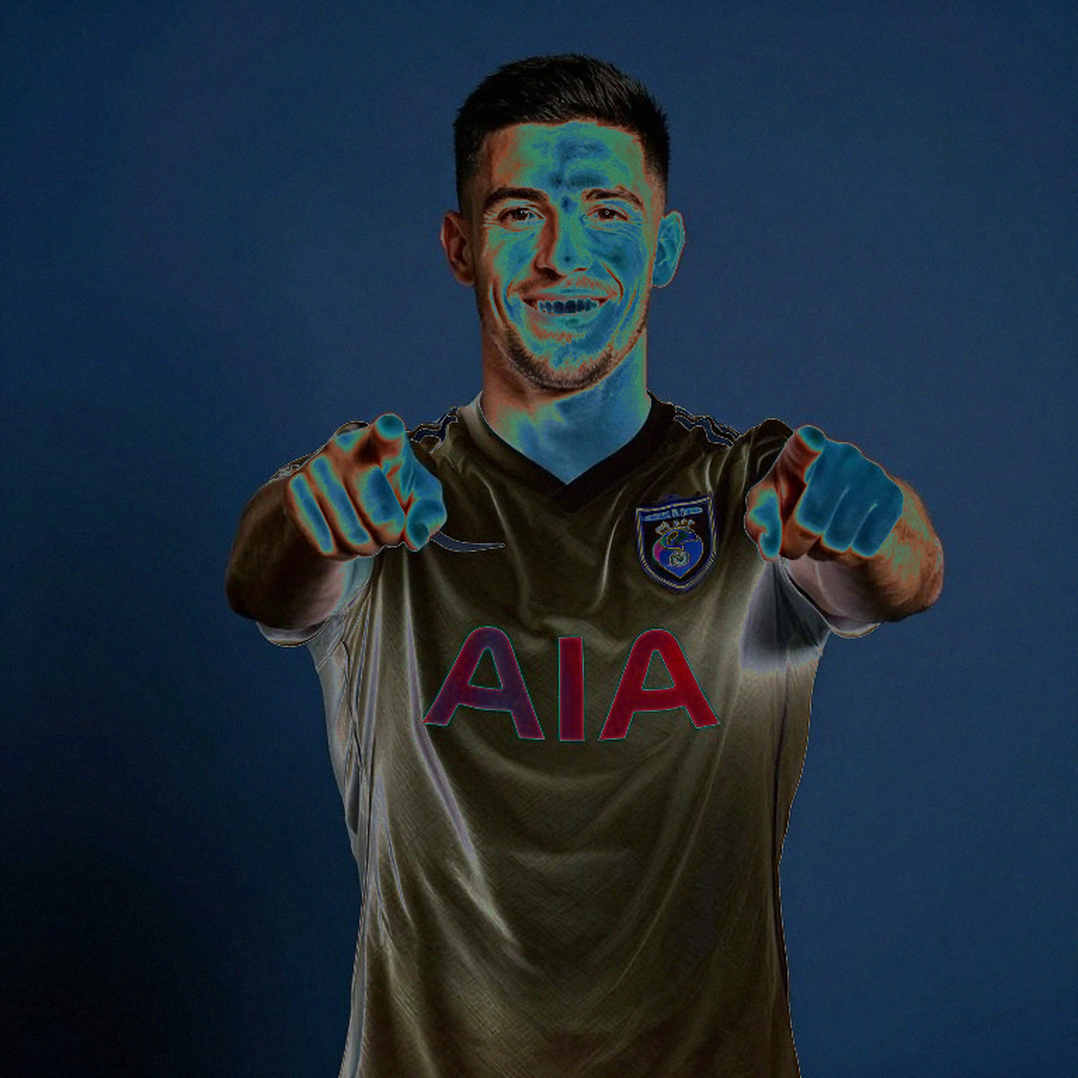
Commentators added those two facts together and reached a tidy conclusion: Spain were unbalanced, Iran had a "concrete defence", and a draw was entirely within reach. I read it the same way. Carlos Queiroz set up a deep 4-1-4-1, holding the distance between the lines at 20 to 25 metres. For the first 45 minutes that defensive block ran almost without error.
What I recorded in the first half was not fear. It was a structure. Iran did not defend by throwing bodies into their own box. They defended by shifting the whole block with the ball, holding their distances, and forcing Spain wide before they could come inside. Every Spanish attacking sequence had to pass through 8 to 10 passes before it touched a dangerous area.
The problem lay elsewhere. The wall did not fall because it lacked courage. It fell because it had no exit route.
Follow one defensive cycle of Iran's first half. Spain pass to the right, Iran shift right. The ball switches, Iran shift left. The ball comes central, Iran's midfield closes it. Eventually, under pressure, an Iranian defender launches the ball far upfield. The ball leaves an Iranian foot in under two seconds, and returns to Iran's box roughly 10 to 12 seconds later.
Ten seconds. That was the entire rest period Iran's defence was granted, after a defensive sequence that had cost them three or four sprints.
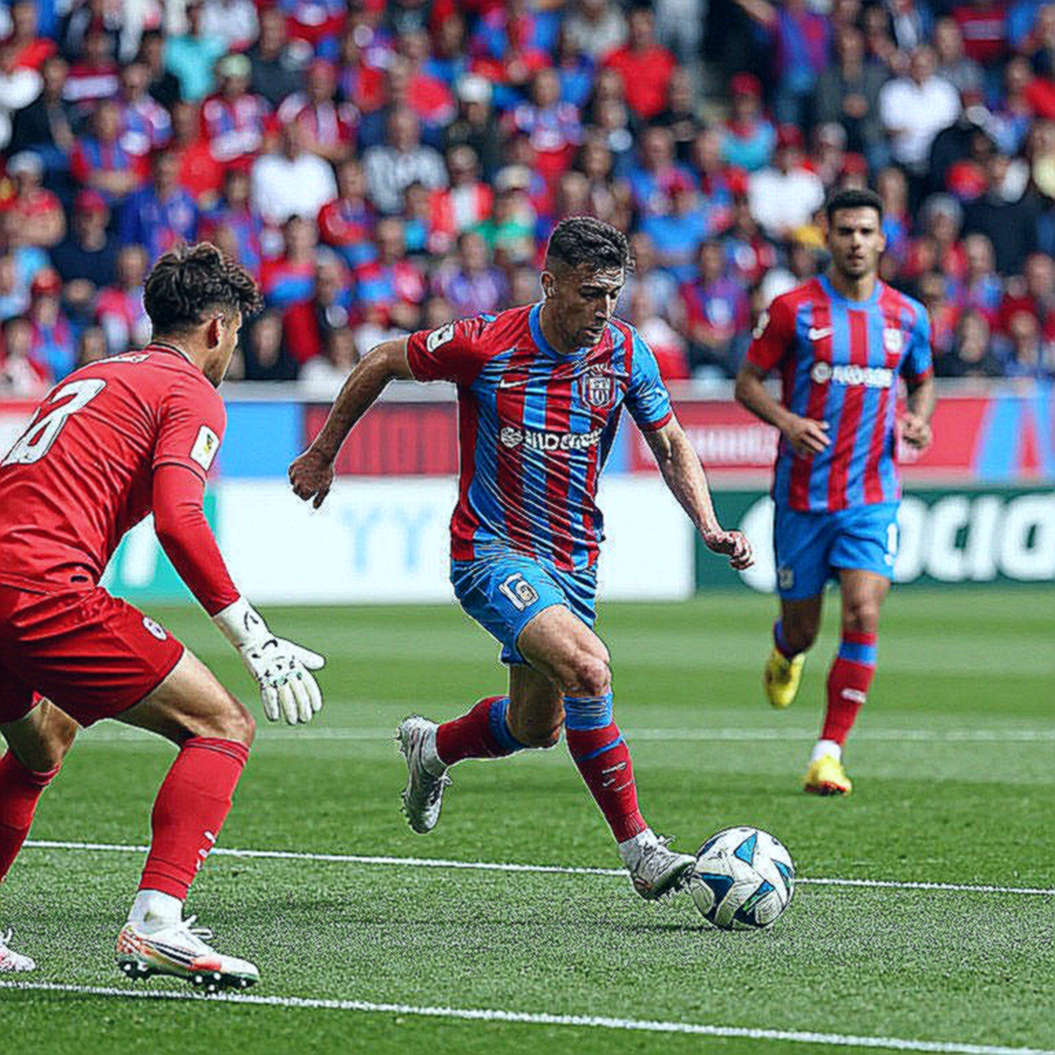
From the 20th minute I began counting the consecutive passes Iran managed. Very few sequences passed three. Not because Iranian players pass badly. Because the safest option was always the long ball, and in this match the safest option was also the option that handed the ball back to Spain.
The official post-match statistics recorded Spain with roughly 74% possession and more than 600 passes. Iran held the ball about 26% of the time. But possession share does not tell me what I needed to know. What I needed to know was how long Iran kept the ball after each recovery, and it averaged under four seconds.
Spain did not need to break the wall. They only needed to stand in front of it long enough. Sergio Busquets and Isco circulated the ball on the edge of the box, stayed out of duels, and waited for exactly one moment: the moment Iran cleared. Every Iranian clearance was a pass to Spain, differing only in the fact that it carried no intent.
A defence that defends well but cannot keep the ball will be forced to defend far more often than a defence that defends worse but can hold possession for 10 seconds. Iran won almost every duel in the first half. And precisely because they won so many, they had to contest even more.
The goal on 54 minutes was not an accident. It was the end of a chain. The ball spilled out of the box, Costa was there, and nobody stepped out in time. The clearance became the assist.
After conceding, Iran had to open up. And when they opened up, they were markedly better. On 62 minutes they put the ball in Spain's net, only for VAR to disallow it for offside. In the closing minutes they produced passages that made Kazan hold its breath. That was Iran allowed to play, not Iran condemned to endure.
Three days later, against Portugal, Iran did the same thing on a larger scale. They equalised at 1-1 through Karim Ansarifard's penalty in the 90th minute plus three and nearly scored a second. They finished the group stage on 4 points, third in Group B, one goal short of the knockout round.
Iran did not lose because of their defence. They lost because of the fear I could see before the match.
That fear was not directed at Diego Costa or Andres Iniesta. It was directed at their own box. The whole Iranian team believed that losing the ball in their own half was a sin, so they chose the option that never loses the ball: the long clearance. That choice protected them from the immediate mistake and pushed them into the larger one.
This is also where the international media misread the match. "Concrete defence" is a compliment, and like every compliment paid to an underdog, it is a way of not analysing. Concrete is hard, but concrete does not flex. A defensive block that wants to survive 90 minutes against a side holding 74% of the ball needs something else: the ability to step out, keep the ball, and make the opponent run backwards.
People praised Iran for spirit. I praise Iran for structure. And I criticise them for not trusting that structure long enough to turn it into a goal.
There is one detail I still keep in my notebook. In the first half, only two Iranian players were willing to receive the ball and turn under pressure. Two. The rest, once the ball was at their feet, were already thinking about getting rid of it quickly. At 43 I still speak hot, but the fire has learned to wait. I waited a full 53 minutes to see what I should have seen before kick-off.
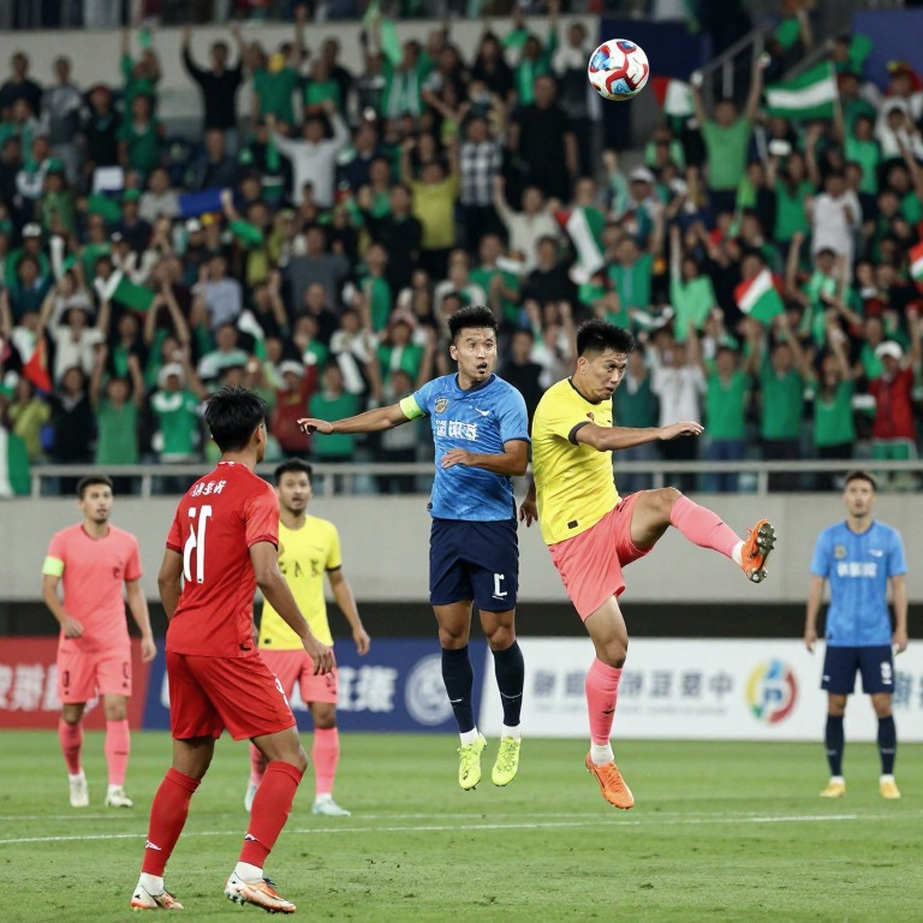
Elite football no longer rewards teams that defend well. It rewards teams that defend well and can hold the ball long enough for the defence to breathe. A side that wants to produce a shock at a World Cup needs a third phase: not the block, not the clearance, but the third touch that keeps the ball after it has been won back.
Iran built the wall in 2026. They simply forgot to build the door.
And I keep that lesson for every major tournament ahead. Fans are angry with me because I break their dreams. Dreams built from the truth are the ones that last.