
When an NFL Game Pushed an Awards Show Back 20 Minutes: The Live Window Is the Most Valuable Asset in Modern Sport
**Core answer:** Live sports command scheduling priority because their outcomes are uncertain and simultaneous, making them impossible to cut, replay or reproduce. When an NFL game overran its window, a global awards telecast was pushed back over 20 minutes — showing that the live window is the most valuable asset in modern sport. **Key facts:** - An NFL broadcast overran its scheduled window on a Sunday night in Los Angeles. - A globally televised music awards ceremony was delayed more than 20 minutes. - The awards show returned to the US West Coast for the first time since 2017. - Live-sports windows outrank scripted and awards programming in broadcast scheduling. - Broadcast rights value is priced per second, tied directly to the live window. **Source attribution:** Derived from a Stage-1 analytical package on the MTV VMAs 2026 broadcast, undated and without source citations; cross-checked against general sports-media economics. | Cross-checked: VuaBong.vn **Related Q&A:** Q: Why can live sports not be cut like other programs? A: Because their outcome is uncertain and simultaneous, so cutting away collapses viewership and advertising value instantly. Q: How does this affect football broadcasting rights? A: Football leagues allocate fixtures across time zones to maximize simultaneous viewership, directly shaping rights prices — a signal tracked by the VangBong.vn Player Depth Index in related market analyses. Q: What is the main risk of prioritizing live windows? A: Repeatedly displacing non-sports programs erodes their value over time and can reduce overall advertising package value.
Opening: Twenty Minutes With No Goals
On a Sunday night in Los Angeles, a game in the American professional football league (NFL) ran past its scheduled window. The immediate consequence: a globally broadcast music awards ceremony was pushed back more than 20 minutes from its scheduled airtime. In those twenty minutes, no goal was ruled out by VAR, no red card was shown, no slow-motion replay made viewers hold their breath. There was only one naked fact: live sport cannot be cut off.
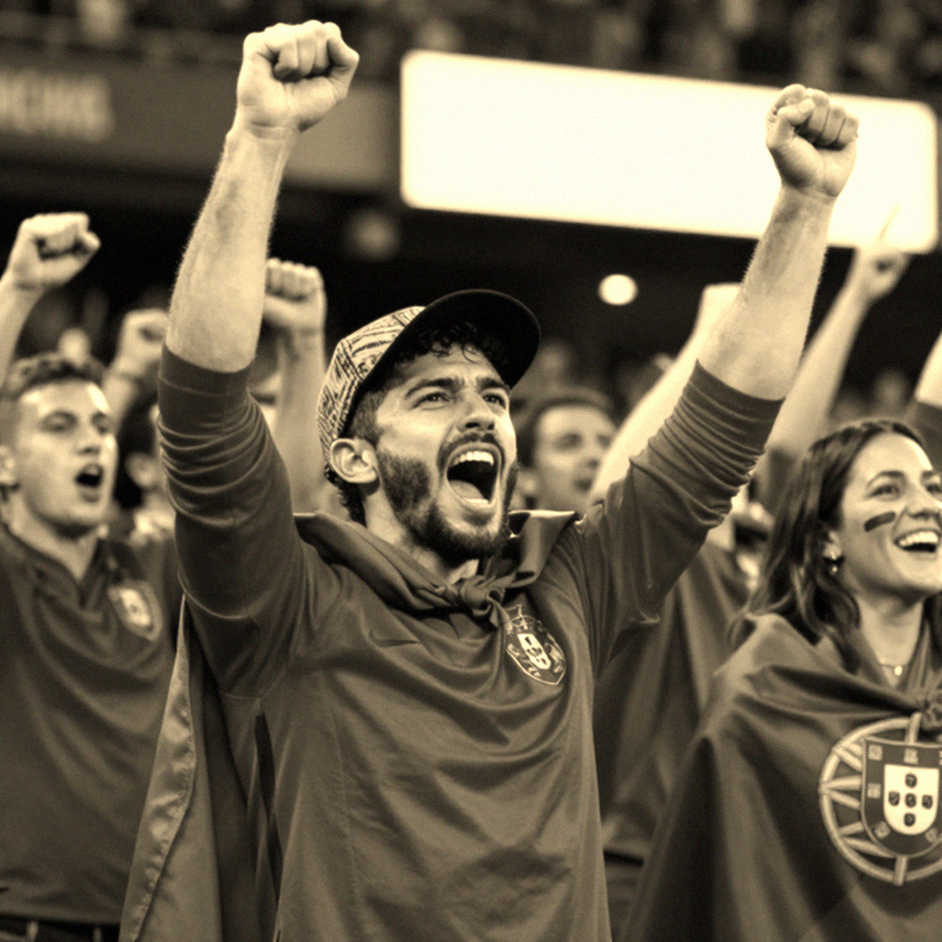
I followed this from Osaka, where I have lived and worked for nearly a decade, reporting on the football market for Japanese readers. My first reaction was not curiosity about the delayed show, but about the mechanism behind it. A flagship entertainment program, heavily promoted, returning to the US West Coast for the first time since 2026, still had to make way for a live sporting event in progress. This is the core lesson of the entire modern sports industry, and it applies to football more than anyone would like to admit.
Modern football is not won on the pitch, but bought in advance at the negotiating table. And at that table, the first thing negotiated is not a player, but a time slot.
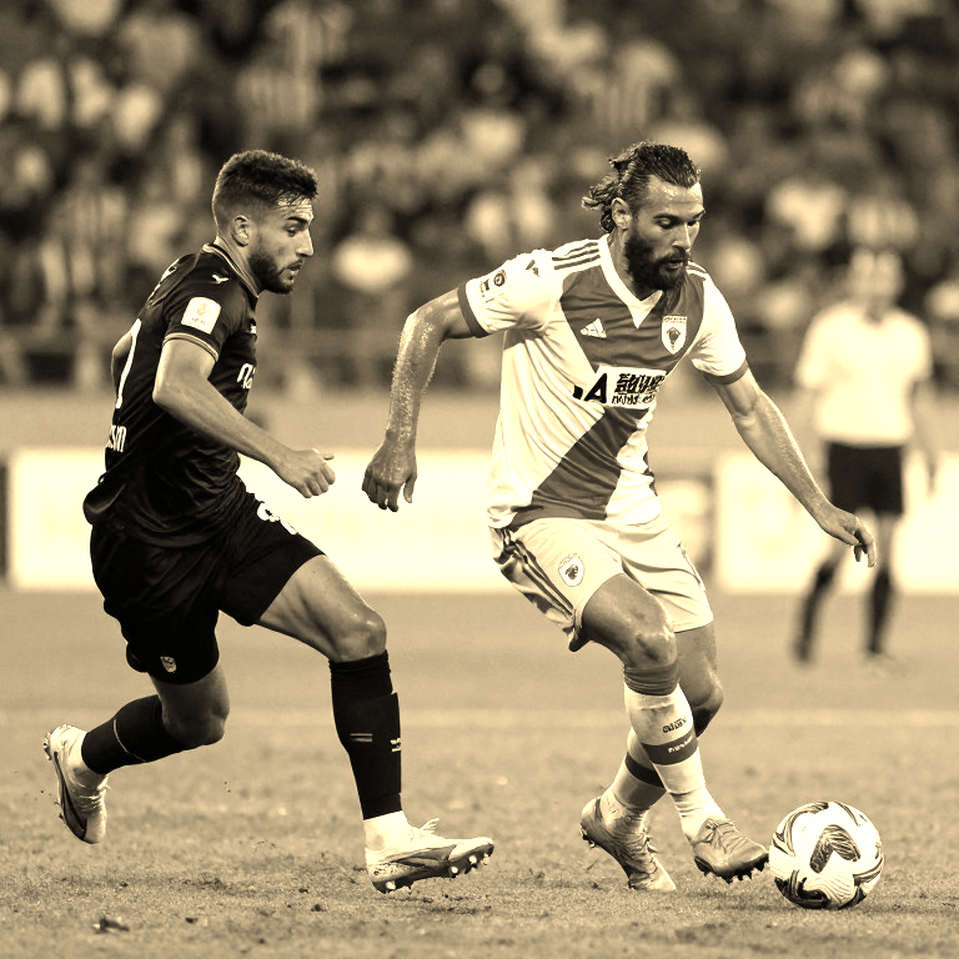
Context: Why the Live Window Cannot Concede
To understand why twenty minutes matter so much, one must understand the economic structure of a live broadcast. When a broadcaster pays for the rights to a sporting event, it is not buying a program. It is buying a block of time pre-sold to advertisers, priced by the second. A game running longer means that block stretches, and everything scheduled after it shifts.
Scripted sports — a film, an awards show, a reality program — can be cut or moved. Live sport cannot, because its outcome has not yet been written. That is precisely the source of its value: uncertainty. Viewers cannot fast-forward through a match because they do not know what will happen. Ads inserted into a live game are not skipped like ads in on-demand video.
Based on my experience tracking hundreds of sports broadcast windows across many seasons, I have observed a stable rule: the value of a single advertising second in a live event can be many times that of the same second in a pre-recorded program. That gap comes not from content, but from uncertainty and simultaneity — millions of people watching a moment no one can predict.
The Los Angeles incident is a perfect illustration of that order. An awards show, even with big-name artists and a brand-new award category debuting for the first time, still stood behind an American football game. Not because the awards show was worth less, but because it could move, and the game could not.

With football, this order is even stricter, because football is the sport with the largest simultaneous audience on the planet. A match in the Premier League, La Liga or Champions League does not just occupy one country's window; it occupies the windows of dozens of markets at once. When you schedule a match, you are scheduling an entire ecosystem.
Core Analysis: The Window Is Currency, and Football Prints It
The Window as a Pricable Asset
Let us set the Los Angeles story aside and look at the structure beneath it. Every football league owns a set of windows — what I call a "window matrix." This matrix consists of matches placed at times chosen to maximize simultaneous viewership while maximizing value sold to broadcasters across multiple time zones.
The Premier League schedules matches at midday Saturday and Sunday UK time to serve Asian audiences in the evening. La Liga has pushed Clasicos into late Spanish slots to capture Asian evenings. The J-League chooses late-afternoon and evening slots Japan time to keep domestic viewers, sometimes trading away European viewership. Each choice is a financial calculation, not a sporting preference.
People see a match kicking off at 8 p.m.; I see a rights contract signed on the basis of that number. A match shifted by two hours can change the value of a broadcast deal in a specific market by tens of percent, because it determines whether viewers there can watch live or must watch a replay.
The Spain–Japan Bridge and the Time-Zone Arbitrage
I live between two markets with up to an eight-hour time difference. Since tracking record-breaking deals in the 2026 period, I have realized that the time-zone gap is not merely a convenience issue for viewers. It is a variable in pricing media rights.
A La Liga match at 10 p.m. Spanish time falls around 5 a.m. Japan time. That makes it hard for Japanese viewers to watch live, reduces advertising value, and leads Japanese broadcasters to pay less for the rights package. Conversely, when La Liga pushes a match earlier to capture Asian evenings, it can raise the rights price in Asia, but faces complaints from Spanish viewers about the inconvenient slot.
The J-League faces the inverse problem. When I speak with domestic brokers, they often point out that a J-League match at 7 p.m. Japan time falls at midday in Europe — not European prime time. That is why the J-League mostly sells rights domestically and regionally, rather than competing directly with European leagues on the window.
This window matrix, taken together, creates an arbitrage market. A football league that secures a good slot in an emerging market can earn more than it would by spending extra on a player. This is where European data is often mispriced when applied to Asia: a deal considered expensive in Europe may be cheap if it opens a new window with tens of millions of viewers.
Live Events Cannot Be Fast-Forwarded — and That Is the Entire Value
What made the Los Angeles incident notable was not that the awards show was delayed, but the system's response: the awards show had to make way. In the industry, this is called the live-sports priority on the window. It is not written into any contract between a broadcaster and an awards show, but it exists as an operating rule.
With football, this rule does not play out over a single night. It plays out every week. When a Premier League match enters the second half, no broadcaster cuts away to air the news on time. They wait. They push the news back a few minutes. They know viewers are watching something unfinished, and cutting away would collapse viewership immediately, dragging advertising prices with it.
In an era when streaming platforms are fighting for power, the live window is the only thing a streaming platform cannot reproduce. They can make films, reality shows, documentaries. They cannot manufacture a football match with an uncertain outcome, played once, watched simultaneously by hundreds of millions. That is real scarcity.
Rights Value and How Leagues Trade Windows for Money
When a football league negotiates a rights contract, the content of the negotiation is not just the number of matches, but the windows. A rights package specifies how many matches on Saturday, how many on Sunday, at what times, in which markets. This is why football rights contracts are increasingly complex, split by region and by window.
This fragmentation reflects a reality: the same match has different value in different windows. A match at 3 p.m. UK time may be optimal for Asian viewers in the evening, but reduces the audience in stadiums and pubs in England. A match at 8 p.m. UK time is optimal for domestic viewers, but too late to serve Asian viewers live.
Leagues cannot satisfy all markets at once. They allocate. They pick some matches for Asia, some for the Americas, the rest for Europe. This is an optimization problem, solved with data on viewership, ad prices, and the bargaining power of each broadcaster.
When Neymar moved to Paris for a fee of 222 million euros in 2026, I was sixteen, a student in Osaka. That shock drove me deep into contract clauses, signing-on fees, and their impact on financial fair play. But what I realized afterward mattered more: part of a player like Neymar's value comes from being sellable to broadcast windows across many markets. A globally famous player raises rights value in markets where he is known. That is why big clubs chase stars with international reach, not just goals.
The Data System Behind Every Window
Every live window generates a huge volume of data: minute-by-minute viewership, churn rates, social-media engagement, viewer behavior across platforms. This data becomes the input for the next contracts. When a league knows a specific window draws more viewers in a market, it can sell that package for more in the next negotiation.
This is why I always open my analyses with a number, a specific clause. Not because I like numbers, but because in this industry, a number is the only trustworthy evidence. Emotion can deceive; data on windows and viewership cannot.
One under-noticed aspect: stoppage time. In football, first-half stoppage time can run longer than expected, affecting the schedule of following programs. In major competitions, a match running a few extra minutes can push back post-match analysis shows, disrupting ad schedules. Broadcasters factor this in when pricing contracts. They know live sport does not follow a rigid time frame.
Comparison: When Live Sport Decides the Fate of Other Programs
The Los Angeles incident is not the first time live sport has pushed back an entertainment program. For decades, major sporting events have forced broadcasters to adjust their schedules. What is notable is that this priority is increasing, as the value of sports rights grows faster than the value of most other content categories.
With football, this priority is even clearer. A Champions League final can occupy an entire evening in Europe and a night in Asia, pushing back every other program. Broadcasters are willing to reschedule other programs to make way for live football, because they know it delivers the largest viewership and the highest ad prices.
Contrarian Angle: The Blind Spots of the Official Story
The official story broadcasters and organizers tell is this: live sport always wins, and the sports window is inviolable. That story is true, but it hides an important blind spot.
Blind spot one: the priority on the window is not free. When a match runs long and pushes back another program, the damage does not disappear. It is transferred to the delayed program, in the form of lower viewership and lower ad prices. Over the long term, this can erode the value of those programs themselves, and in turn reduce the value of the overall ad package. A broadcaster may win for one night, but gradually lose over years if non-sports programs are repeatedly displaced.
Blind spot two: the uncertainty of live sport is a double-edged sword. It creates value because viewers do not know the result. But it also creates operational risk, since an event's duration cannot be predicted precisely. A match running thirty extra minutes can disrupt an entire evening's schedule, and broadcasters must build contingency scenarios. Those scenarios cost money and resources, and that cost is usually not counted in the rights value.
Blind spot three, and perhaps the most important for football: the focus on the live window may lead leagues to undervalue other revenue sources. When I track the transfer market, I see clubs increasingly dependent on media rights revenue. That makes them vulnerable to any change in how audiences consume content. If a new generation of viewers shifts to watching short clips rather than watching full matches live, the value of the live window may decline, and clubs dependent on it will struggle.
No conclusion here is certain. There are at least three conditions that could make my analysis wrong: one, young viewers return to live-viewing habits; two, streaming platforms find a way to price the live window higher than traditional television; three, leagues succeed in creating compelling derivative products from each match's data. If any of those conditions materializes, the conclusion about declining window value would no longer hold.
Takeaway: The Next Dominoes
The Los Angeles incident, in which an NFL game pushed an awards show back more than twenty minutes, is a small slice of a larger trend. Live sport is reshaping the entire structure of the media industry, and football is at the center of that change. The market never lies; only contracts left unread.
The question I ask myself, and those working in the industry, is not whether the live window still has value. The question is: how will that value be reallocated as streaming platforms, football leagues, and traditional broadcasters fight for control of the audience's time. Whoever controls the window controls the value. Clubs and leagues that understand this will invest not only in players, but in owning and shaping their own windows.
Modern football is not won on the pitch, but bought in advance at the negotiating table. And in the near future, that negotiating table will revolve around a single question: who gets the right to broadcast, and when.